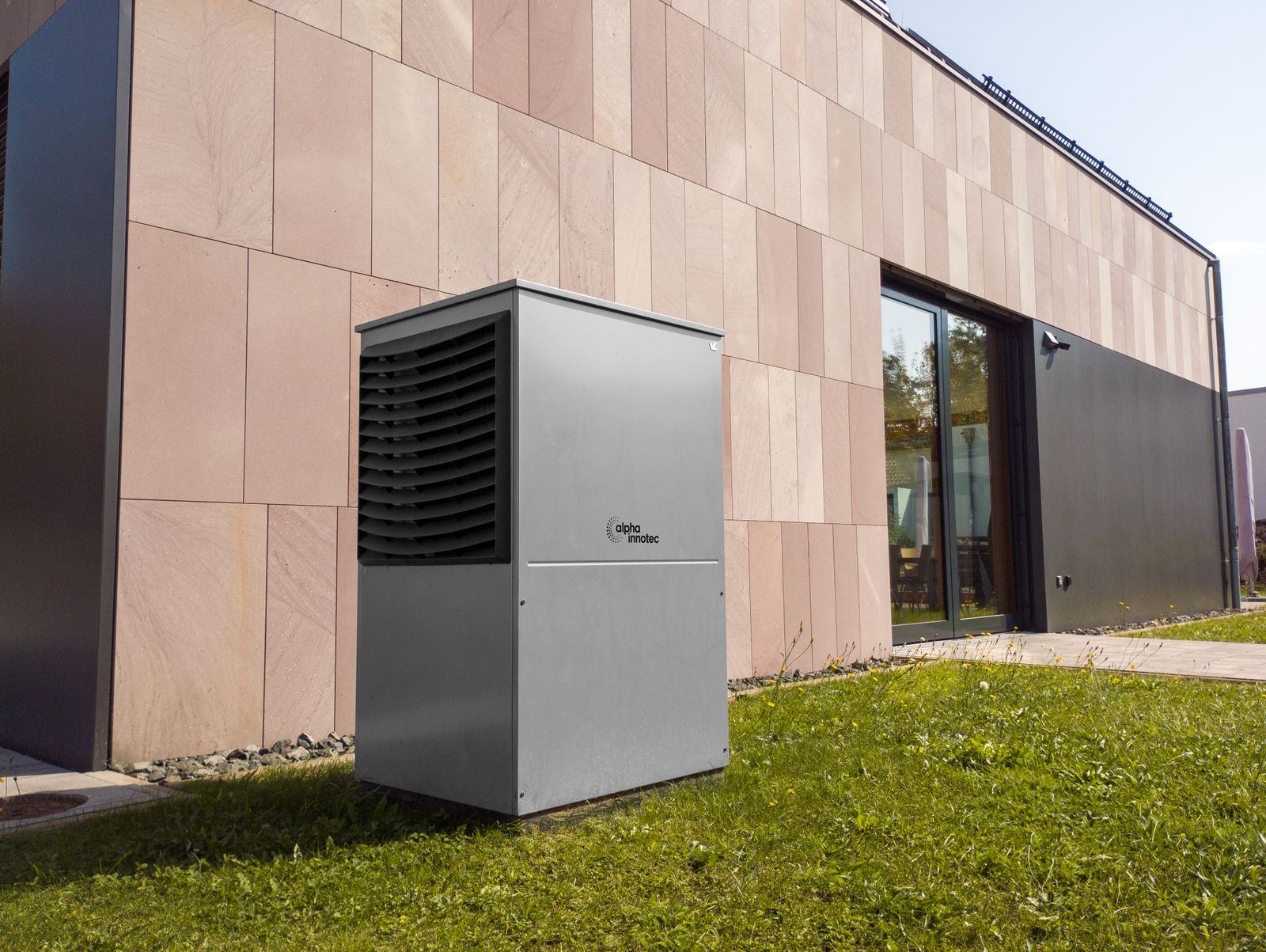
Standard electric water heaters make heat the expensive way: current runs through a resistance element, and every bit of warmth in the tank comes straight off your power bill. A heat pump water heater, often called a hybrid, works differently. Its compressor and evaporator coil collect heat already present in the room air and transfer it into the water, the same principle your refrigerator uses to keep groceries cold. The result is a Uniform Energy Factor that commonly lands at 3 or above, roughly triple the efficiency of a resistance-only tank. For Bayonne, NJ households that already heat water with electricity, that difference shows up on every monthly bill.
There is a catch: a hybrid needs air to work with. Most manufacturers call for roughly 700 cubic feet of surrounding space, about the volume of a 10 by 10 room with a typical ceiling, or ducted intake and exhaust where the room is smaller. Because it pulls heat out of the air, it leaves that space a few degrees cooler and noticeably drier, which works nicely in a warm garage or damp basement and less welcome in a closet next to a bedroom. It also produces condensate that needs a reliable path to a floor drain or a condensate pump, and the compressor and fan hum at roughly the level of a quiet window air conditioner. Most models need a dedicated 240-volt circuit, though some newer 120-volt units can plug into an ordinary outlet. None of that is complicated, but every item decides whether the unit delivers.
Getting the settings right is where the real savings get locked in. A hybrid can run in heat pump only, hybrid, electric, and vacation modes, and the right mode depends on how many people shower back to back and how cold the space gets. Heat pump recovery is slower than an element's, so sizing up a notch often lets the compressor carry the whole load without calling on backup heat. Our technicians set the unit with a drain pan, a properly pitched condensate line, a dedicated circuit, and code items such as an expansion tank or seismic strapping where they apply, then program the mode that fits your routine. Incentives such as utility rebates and federal tax credits are available on many qualifying units, and while we cannot guarantee eligibility, we will tell you which programs are worth checking. Call (201) 361-6439 to talk through a heat pump water heater for your Bayonne home.
What homeowners call us about most is Water Heater Installation in Bayonne. That's the place to start for most homes.
Warning Signs to Watch For
A heater that is starting to struggle rarely hides it for long, and the clues are easy to spot once you know them. Watch for these telltale signs that professional help is needed:
- High electric bills in a household that uses a lot of hot water
- A garage or attic-adjacent room that stays warm most of the year
- An all-electric home, or one heading that direction
- Your electric tank is past the ten-year mark and you would rather plan than wait for a leak
- A 240-volt circuit already in place from your current electric heater
- A damp basement that could use the free dehumidifying a hybrid provides
- Curiosity about incentive programs for qualifying water heaters
- Open space around the current water heater, such as a basement or garage
A Slow Leak Never Stays Slow
Left alone, even minor symptoms like rumbling or temperatures that swing from hot to warm tend to mean the heater is working its way toward a breakdown. If you notice any of these signs, contact Bayonne Water Heater at (201) 361-6439 for a prompt inspection.
Talk to Us About Heat Pump Water Heaters
One call gets a technician scheduled and a clear price before any work starts.
Call (201) 361-6439 NowWhat Homeowners Ask Us Most
What a Trained Technician Brings to the Job
A heat pump water heater is more than a tank swap. It is a plumbing appliance, an electrical appliance, and a small refrigeration system at once. The plumbing has to include a relief valve line to an approved spot and an expansion tank when the system is closed. The circuit has to match the manufacturer's requirements, which may differ from the tank it replaces. And the room has to supply enough air, or the compressor starves and the unit quietly leans on its elements. That last point is the one most often missed, and it turns an efficient appliance into an expensive standard heater.
Then come the practical hurdles. A hybrid is taller than a typical tank and very heavy once filled, so moving and setting it level in a pan takes planning. A gas-to-electric conversion adds a gas line to cap, an unused vent to close off, and a new circuit to run. Condensate has to drain without fail, since an overflowing line can damage floors and walls quietly. And if the sealed refrigerant system ever needs service, that work requires specific training and recovery gear. We take care of every step, set the operating mode for your household, and provide the documentation you may need for rebate or tax credit forms, leaving final eligibility to the program.
Our Heat Pump Water Heaters Process
Good water heater work comes down to a consistent routine, and ours starts with a real diagnosis instead of a guess. Here's a look at each step our team takes:
Space and Airflow Check
The survey covers room volume, seasonal temperature, the condensate route, and electrical capacity, so we know whether the space works as is or needs ducting.
Choosing the Unit
You get a recommendation built around how many showers run back to back, the available space, and whether a 240-volt or 120-volt model makes more sense.
Careful Installation
The old tank is drained and removed, the hybrid is set in a drain pan, and we connect water, power, the relief valve discharge, and a condensate line to a drain or pump.
Settings and Testing
After a test run, we program the operating mode and temperature and show you how to clean the air filter and use vacation mode.
Want a Professional Opinion?
Call Bayonne Water Heater to talk through your situation with an experienced technician.
Call (201) 361-6439 TodaySimple Ways to Extend Your Water Heater's Life
A few simple habits, like an annual flush and a quick look at the relief valve, can add years to a tank. Here's where to begin:
- Glance at the drain pan occasionally; standing water points to a clogged condensate line
- Leave clear space around the intake and exhaust instead of stacking storage against them
- Keep fumes and heavy dust away from the air the unit draws in
- Flush the tank once a year to clear sediment, just as you would with a standard heater
- Switch to vacation mode before a trip to cut idle energy use
- Ask for an anode rod check during maintenance visits
- Clean the air filter on top of the unit every few months so the compressor can breathe
Comparing DIY and Professional Work
Some simple checks are fine to do yourself, but most water heater repairs benefit from professional tools, training, and experience. A side-by-side look:
| Factor | DIY Attempt | Hiring a Pro |
|---|---|---|
| Placement | Squeezed into a small closet | Air volume checked, ducting planned if needed |
| Electrical | Old tank wiring assumed to be fine | Circuit matched to the nameplate |
| Drainage | Pump skipped where one is needed | Routed to a drain or pump and tested |
| Sizing | Chosen from the shelf price | Capacity matched to household use |
| Operating Mode | Modes never explained | Mode set to fit your routine |
| Code Items | Drain pan left out | T&P discharge, pan, and expansion tank handled |
Get Heat Pump Water Heaters Help Today
Every day a leak or a failing part goes unchecked puts more stress on the tank. Get Bayonne Water Heater on the job today.
Call (201) 361-6439 TodayCommunities We Cover
We serve Bayonne and its neighboring towns for heat pump water heaters, from quick same-day repairs to planned installs.